


Understanding Keratoconus and Your Treatment Options
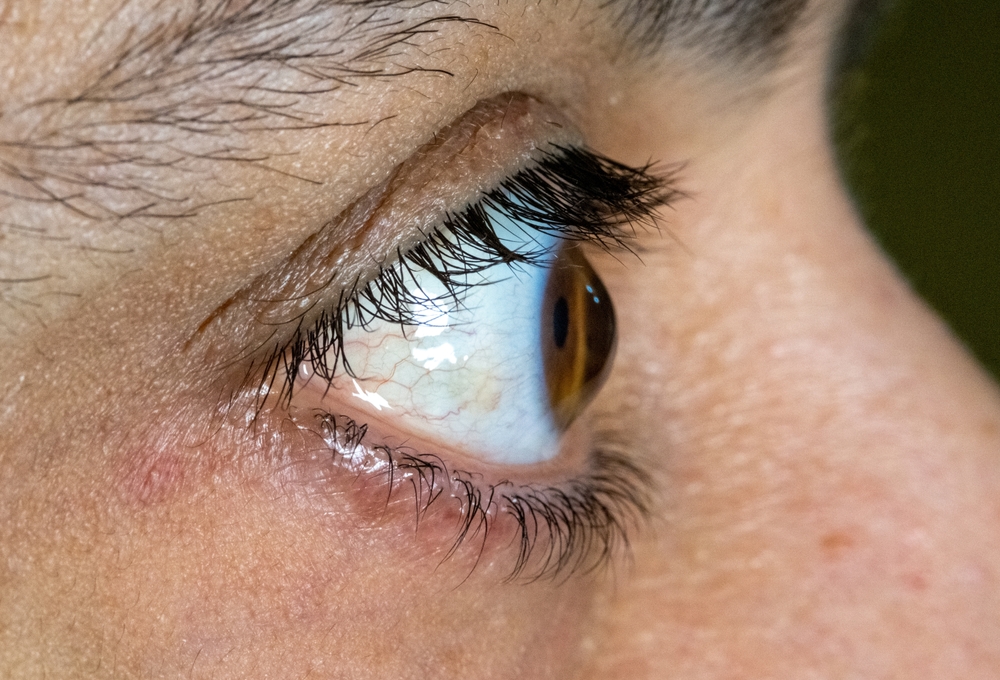
Keratoconus is a progressive eye condition that affects the shape of the cornea, leading to distorted vision that cannot always be corrected with standard glasses or soft contact lenses. For many patients, early diagnosis and customized treatment can make a significant difference in both visual clarity and long-term eye health. Understanding how keratoconus develops and the treatment options available can help you take confident steps toward better vision.
What Is Keratoconus?
Keratoconus occurs when the cornea, which is normally round, gradually thins and bulges outward into a cone-like shape. This irregular curvature prevents light from focusing properly on the retina, resulting in blurred, distorted, or double vision. The condition often begins during the teenage years or early adulthood and may progress over time.
Common symptoms of keratoconus include increasing nearsightedness, frequent prescription changes, glare or halos around lights, eye strain, and difficulty seeing clearly at night. Because symptoms can worsen gradually, regular eye exams are essential for early detection and monitoring.
How Keratoconus Is Diagnosed
At Canyon Optometry, keratoconus is diagnosed using advanced diagnostic tools that evaluate the shape, thickness, and curvature of the cornea. Corneal topography and tomography allow for early identification - even before noticeable vision changes occur - making it possible to intervene sooner and preserve vision more effectively.
Treatment Options for Keratoconus
While keratoconus cannot be cured, it can be effectively managed with the right treatment plan. The goal is to improve visual clarity, enhance comfort, and slow or stabilize progression when possible. For many patients, specialty contact lenses provide excellent results.
Rigid Gas Permeable (RGP) Contact Lenses
RGP lenses are often one of the first specialty lens options recommended for keratoconus. These lenses maintain their shape on the eye, creating a smooth optical surface that helps correct irregular vision caused by corneal distortion. While RGP lenses can significantly improve visual acuity, some patients may experience an adjustment period as they adapt to the firmer lens material.
Scleral Contact Lenses
Scleral lenses are larger-diameter lenses that rest on the sclera (the white part of the eye) rather than the cornea itself. This design vaults over the irregular corneal surface and creates a fluid reservoir between the lens and the eye, delivering exceptional vision and comfort. Scleral lenses are an excellent option for moderate to advanced keratoconus or for patients who have difficulty wearing traditional RGP lenses.
Hybrid Contact Lenses
Hybrid lenses combine the clarity of a rigid center with the comfort of a soft outer skirt. This design offers the visual benefits of an RGP lens while providing a more familiar and comfortable feel. Hybrid lenses can be a great option for patients who need sharper vision but prefer a softer wearing experience.
Why Personalized Care Matters
Keratoconus affects each patient differently, which is why a customized treatment approach is essential. Factors such as corneal shape, severity of the condition, lifestyle needs, and visual goals all play a role in determining the best solution. At Canyon Optometry, specialty contact lens fittings are carefully tailored to ensure optimal vision, comfort, and long-term eye health.
Take the Next Step at Canyon Optometry
Living with keratoconus can be challenging, but modern diagnostic technology and advanced contact lens options make it possible to achieve clear, comfortable vision. Whether you are newly diagnosed or exploring better treatment options, early intervention and expert care can help you maintain your quality of life and visual independence.
If you’ve been diagnosed with keratoconus, schedule a comprehensive eye exam at Canyon Optometry and discover a personalized treatment plan designed to support your vision. Visit our office in Irvine, California, or call (949) 559-5905 today.


Contact Info
Hours of Operation
- Monday 8:00am - 5:00pm
- Tuesday 8:00am - 5:00pm
- Wednesday 8:00am - 5:00pm
- Thursday 8:00am - 5:00pm
- Friday 8:00am - 4:00pm
- Saturday By Appointment Only
- Sunday Closed
© 2026 Canyon Optometry. All rights Reserved. Accessibility Statement - Privacy Policy - Sitemap
Powered by:

